Film Name: 黑侠 / Black Mask / 黑俠
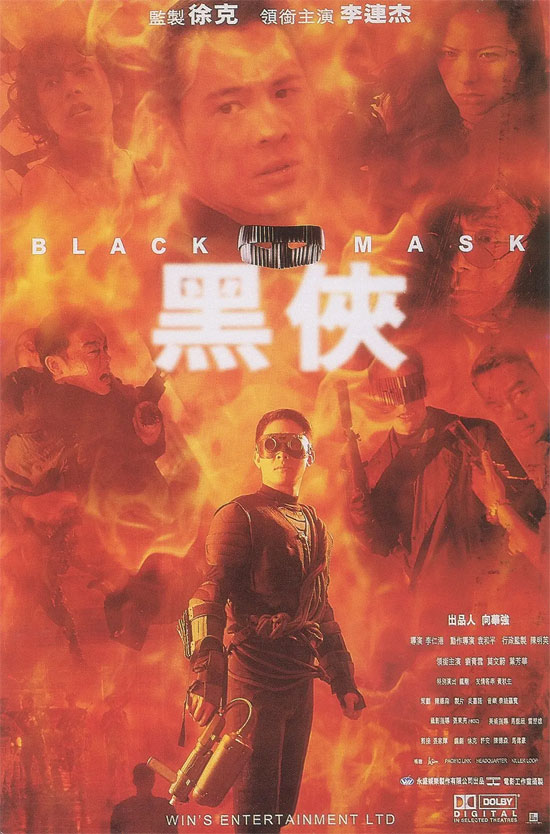
The first legit Hong Kong movie I ever bought was “Black Mask II.” That Tai Sheng VCD had such dark visuals. Tsui Hark’s decision to replace Jet Li with Andy On was well-considered—On was handsome (barring that mouth scar), tall, and spoke good English, perfectly positioned to break Hong Kong cinema into Hollywood. The movie itself was genuinely awful though; “Black Mask” is still the better one.
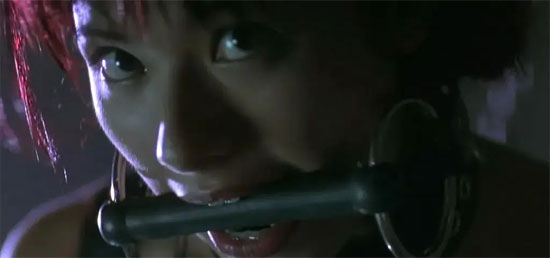
The actor who left the deepest impression on me in Black Mask wasn’t actually Jet Li, but the villainous female assassin and disgraced artist Ye Fanghua, who engaged in S&M in the clanking factory. She later fought Jet Li again in “Romeo Must Die,” sporting a biker look with leather jacket and pants, her physique and skills equally impressive. Lau Ching-wan’s cop was also entertaining—he immediately threw Karen Mok with a judo throw upon meeting her, showing zero mercy. The rest of the cast featured veteran Hong Kong TV actors like Anthony Chan. The film had some underwhelming special effects, and its overall quality was average among Hong Kong fantasy kung fu films of the era—far below The Heroic Trio. Still, it had its own merits.
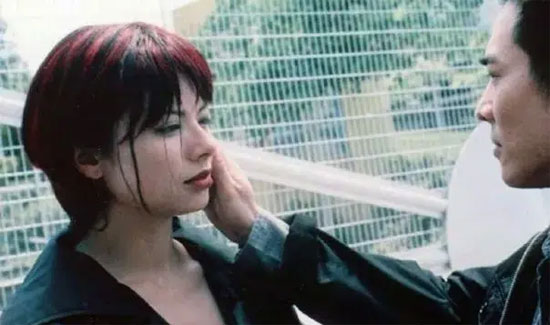
Tsui Hark has always pushed the boundaries of filmmaking techniques. Early works like “Zu: Warriors from the Magic Mountain” and later “The Legend of Zu” were ahead of their time in Hong Kong cinema. When directing “Black Mask,” he recognized the decline of traditional wuxia films and sought to innovate. Drawing on his experience with special effects in fantasy epics, he boldly created a sci-fi, fantasy, modern superhero film set in an unknown era. Adapted from a Hong Kong comic with an existing fanbase, “Black Mask” was expected to perform well locally. Coupled with the star power of Jet Li, Asia’s biggest box office draw, investors were eager to back the project.
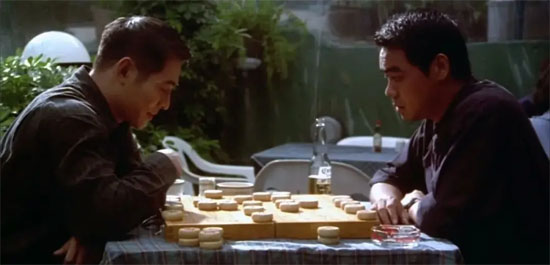
The plot of “Black Mask” revolves around pain-insensitive soldiers secretly developed by Russia (though never explicitly stated, the plot does feel distinctly Russian). To avoid being humanely destroyed, they escape their base under the guidance of the Black Knight and scatter in different directions (screenwriter Tsui Hark likely followed a Hollywood approach, with Russia as the villain and the pain-insensitive soldiers inspired by “The Terminator”). The Black Mask arrives in Hong Kong, living inconspicuously in a library. Colleagues like Karen Mok grow curious about his detached lifestyle, with Karen tasked with developing his romantic subplot. He befriends Mr. Lau, a legendary Hong Kong detective known to the public, and they pass their days playing chess. One day, Hong Kong’s drug lords begin being systematically slaughtered. The reporting here has a distinctly comic-book flavor, casually mentioning hundreds of drug lords killed—considering Hong Kong’s population. But commercial films don’t need to be cerebral. Suffice it to say, many drug dealers are being hacked to pieces. After Black Knight and the detective intervene, they discover their opponents are painless warriors with military backgrounds. Former comrades who escaped the base had rallied around a doctor continuing research on the soldier serum, aiming to monopolize drug trafficking with their funding. They chose Hong Kong to demonstrate their power to drug-producing regions—by slaughtering local dealers. Ultimately, a disgraced artist (played by a police-protected figure) and Ye Fanghua deliver an unforgettable, high-energy showdown.

Several fight sequences were brilliantly choreographed, highlighting Jet Li’s agility. The Painless Warriors demonstrated their ferocity through acts like impaling themselves on rebar and severing their own arms. The hospital raid scene was particularly spectacular: Jet Li, clad in black and moving with lightning speed, faced off against the Painless Warriors engulfed in flames. The confrontation showcased both Black Knight’s overwhelming dominance and the villains’ remarkable ability to endure brutal beatings. The scene where the Black Knight descends from a building while carrying Ye Fanghua is sleek and decisive (later replicated by Angelina Jolie in “Mr. & Mrs. Smith”). While Jet Li’s Hollywood films boast larger budgets, their fight sequences often feel awkward—particularly because he appears unusually short on screen. This likely stems from cinematographers unfamiliar with framing Asian action stars. Conversely, in Hong Kong films, he never seemed diminutive even when facing towering opponents. “Redeemer” was a Western film with substantial investment, solid casting, and a passable story. Yet the opening scene of the villain Jet Li running made him appear exceptionally short—even shorter than his actual height.
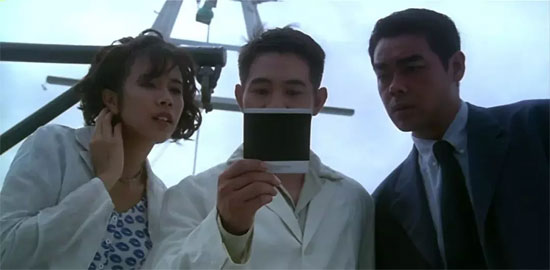
“Black Mask” is a superhero film. At the end, the three characters on the pier set up hints for future sequels. Little did anyone expect that six years later, Tsui Hark himself would produce a trial sequel that utterly ruined the IP. As a result, Andy On cemented his status as a perpetual supporting actor in the industry, never to rise again.
PS: Even today, “Black Mask” remains a solid commercial film. If Hong Kong cinema could consistently deliver this level of quality now, we wouldn’t ask for anything more.
Please specify:Anime Phone Cases » Film Review: Remembering Hong Kong Cinema 1996 “Black Mask”