Film Name: 肆式青春 / Flavors of Youth / しきおりおり

I didn’t write this review immediately after watching the film because I wanted to see what impression would linger strongest in my mind after some time had passed. Perhaps that would reveal the film’s true impact on me, stripped of all the flashy embellishments.
A month has passed since its release, yet the film still casts an indelible shadow in my thoughts. Whether it’s the three symbolic props—rice noodles, fashion, and cassette tapes—or the universal themes of family, career, and love that everyone faces in their youth. So I believe this film is at least more successful than over half of the domestic animated films I’ve seen, which leave no impression at all.
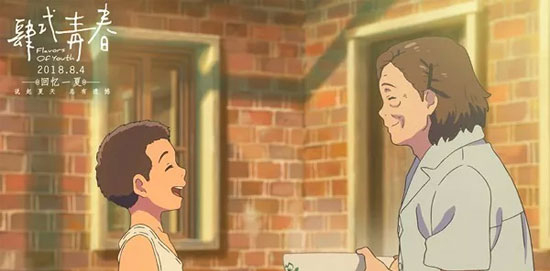
What is youth? It’s those moments and things everyone possesses yet often misses. Take that cassette tape, for instance—something within reach yet delicately missed. When Grandma’s voice and smile became forever sealed within Xiao Xing’s memory of that fragrant bowl of rice noodles from his childhood, I was deeply moved. I felt sorrow for his missed opportunity to spend Grandma’s final moments, yet I was also touched by the enduring cherishment of her memory he would carry forever.
The meaning of missing lies in cherishing. Cherishing what we once had, cherishing the present. In “Little Fashion Show,” though Song Yilin is no longer in her most captivating years, she possesses her sister’s and friends’ support that transcends utilitarianism. Therefore, cherishing the present is more important than anything else.

Each of these three short stories has its own strengths. In terms of imagery, Three Fresh Noodles has the most artistic flair, Shanghai Love’s cassette tape story is the most richly layered, while The Little Fashion Show best captures human growth. Youth isn’t merely a vessel for romance; it must also grapple with maturation. From this perspective, I most appreciate The Little Fashion Show. She once possessed, then lost, but ultimately discovered something far more significant. The film portrays this growth journey with remarkable clarity.
Perhaps most Chinese audiences remain unaccustomed to watching short films in theaters, or collections like Flavors of Youth. Or perhaps short films demand greater directorial mastery—compelling narratives and emotionally resonant characters must be delivered within a compressed timeframe. This film represents a bold experiment, though it hasn’t achieved significant commercial success. Still, I believe such attempts deserve recognition.
Please specify:Anime Phone Cases » Flavors of Youth 2018 Animation Film Review: Cherish the missed opportunities of youth