Film Name: 瘦虎肥龙 / Skinny Tiger and Fatty Dragon / 瘦虎肥龍
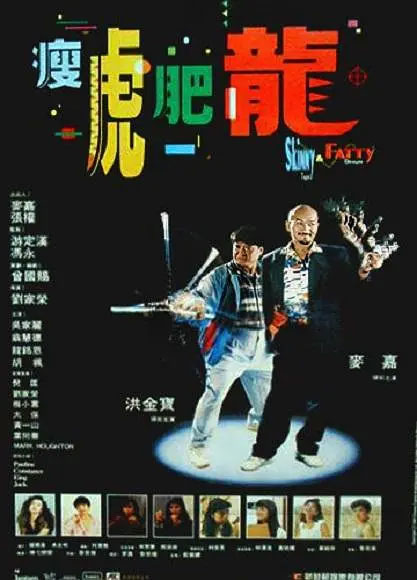
Is the duo of Sammo Hung and Michael Mak a box office guarantee? The 1990 Hong Kong box office provided the answer: it ranked 16th on the annual box office chart. Directed by and starring as the villain, “Skinny Tiger and Fatty Dragon” features a straightforward, even somewhat perfunctory plot. The two cops, Skinny Tiger and Fatty Dragon, stop at nothing to solve cases. Fortunately, as a kung fu comedy, the violence feels less brutal. The opening scene where they outwit Ghost Foot Seven during a convenience store robbery sets the tone for the entire film: a modern action comedy. Next, the scene where Best Actress Wu Jiali collaborates with the “Mad Tiger and Crazy Dragon” duo to conduct a chest-searching drug raid had audiences laughing hysterically back then. Over thirty years later, it still made my son crack up. The humor is slightly crude but not inappropriate for children. Hong Kong films back then were bold—politically incorrect, mocking Thai ladyboys, satirizing current events. They went all out for laughs. The fact that Ni Kuang played Sammo Hung’s dad, fearing he’d be arrested by the CCP after the handover, says it all (turns out Ni Kuang overthought it—he wasn’t that important).
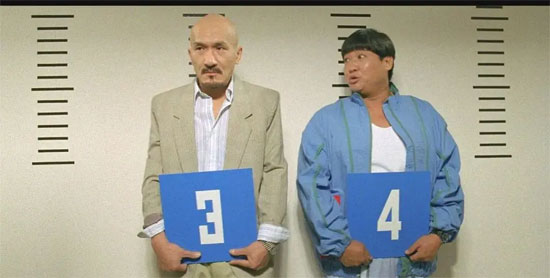
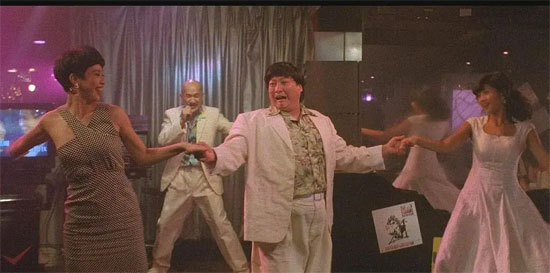
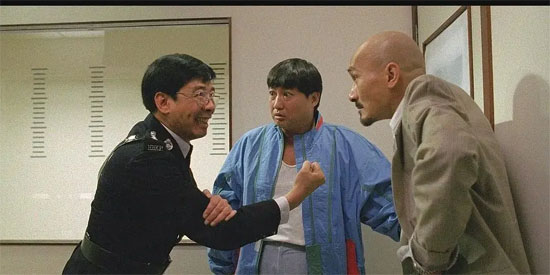
The film can be divided into two parts. The first is the violent crime-solving process where Crazy Tiger and Mad Dragon face off against Liu Jiarong, filled with nonstop bloody and brutal fight scenes. During this part, Long Ming’en and Tai Bao don’t get a chance to be funny—they just get killed off. The climax culminates in Liu Chia-ying detonating a chemical plant with a gunshot, engulfing the floor in flames and burying the henchmen and villainous brothers alive. The two protagonists are left to clown around. As a child, I couldn’t grasp it, but reflecting as an adult, the sheer number of casualties is staggering. The comedic segment follows the duo’s Singapore trip, where they sing karaoke and hang out with local girls. Despite their age, the two leads surprisingly pull off a youthful romance vibe. After “Dragons Forever,” Sammo Hung once again showcases his masculine charm through song and dance—truly the most agile chubby star today. His dance moves leave the girls swooning, making it no surprise he captured the heart of a Miss Hong Kong in real life. As for Mak Ka, he showcases his singing voice. Known for his Shandong dialect and bald-headed persona in kung fu comedies, he’s actually a graduate of New York University—a true high achiever. Singing comes naturally to him. Thinking about this, it makes sense why his character, who seems utterly sleazy, always needs a dazzling girlfriend by his side.
My first viewing was on VHS, which cut Ni Kuang’s first scene. This made the later attack on the clinic father and son seem inexplicable, with a glaring continuity error—the stunt double’s physique differed significantly from Ni Kuang’s, making it instantly obvious. Later, I saw the VCD with the full content, and eventually the restored version arrived. Its crystal-clear picture quality provided the motivation to watch it again. For mainland audiences, Hong Kong and Singapore in the 90s were like paradise—places everyone envied and yearned for. Even a decade later, getting the chance to tour Singapore, Malaysia, and Thailand was considered a major achievement. Fast forward over twenty years, and taking kids to Hong Kong or Singapore during holidays has become just another casual topic among coworkers. Now, even a passing interest in travel means Europe or America, preferably by car—anything else is a waste of time. Recalling the fantasies I harbored about those places while watching movies three decades ago feels like a lifetime ago.
In 1990, Hong Kong released over a hundred films spanning diverse genres. Among them was “All for the Winner,” which launched Stephen Chow’s era; “God of Gamblers II,” capitalizing on a hot trend; and “A Chinese Ghost Story II,” a sequel surpassing its predecessor. Amid fierce competition from these standout works, an action film produced to salvage Mak Ka-ke’s career crisis managed to gross over ten million dollars—a remarkable feat. The bald-headed star who left “Aces Go Places” and Golden Harvest was no longer the center of audience attention. Perhaps losing confidence in his box office appeal, Mak Ka-ke voluntarily reduced his acting engagements, offering his own answer. From then on, he became a legend in Hong Kong cinema. His return to the mainland audience’s view was once again through a collaboration with Sammo Hung, making a cameo appearance in “My Beloved Bodyguard.”
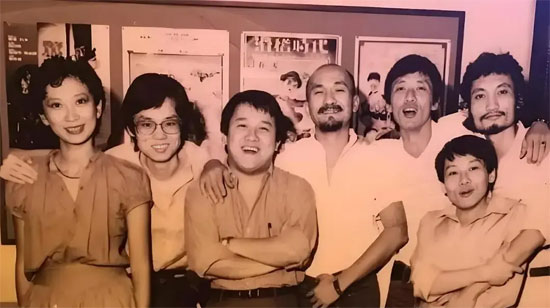
PS: The demise of New Art City signaled the end of an era for Hong Kong cinema. The once-united Seven Monsters scattered to the winds. Should they ever meet again in the future, none would remain quite the same as they once were.
Please specify:Anime Phone Cases » Film Review: Nostalgia for Hong Kong Cinema 1990 “Skinny Tiger and Fatty Dragon”