Film Name: 少林门 / Countdown in Kung Fu / The Hand of Death / Hand of Death / 소림문 / Yong Ho Moon / 少林門
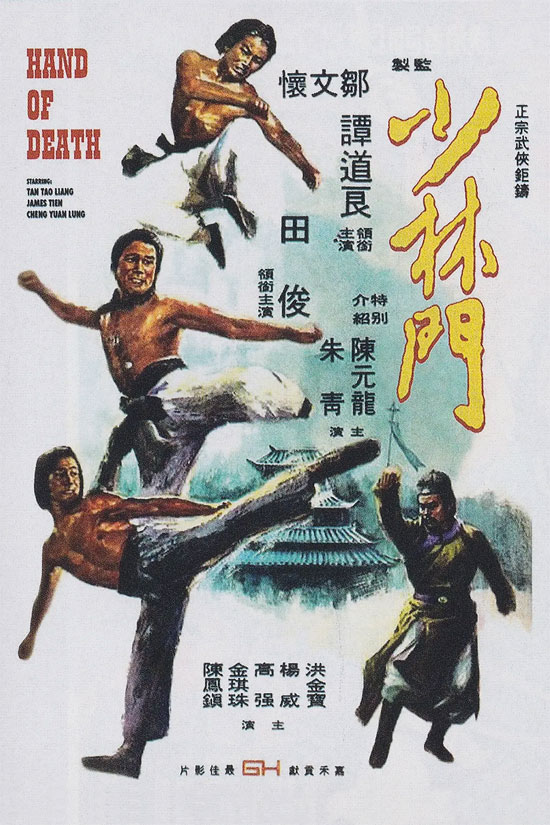
After watching it, I realized I didn’t fast-forward a single frame. I even rewound several times just to take screenshots.
Forty years later, I still think this film is worth watching. It’s far superior to yesterday’s “To Kill with Intrigue,” with no major plot holes. It’s logical and reasonable, nostalgic without being sentimental. Director Wu wrote the script himself.
You grow up watching a director’s work, and their style evolves right before your eyes—from their first film to their last. Many elements are quintessentially Wong Kar-wai: the Jiangnan rogue archetype, for instance, who accidentally kills his beloved with a sword and descends into poverty. It’s uncannily reminiscent of Ah Long in “Hard-Boiled.” (There’s a steamy scene featuring a nude adult film star, though sadly, after the kiss, it flashes by with full-screen mosaic.)
Another example is the mutual admiration and support between Tan Daoliang and Jackie Chan. In an era before bromance tropes became ubiquitous, their dynamic felt refreshingly pure and natural. (It even gave me goosebumps.)
Chen Yuanlong with his single eyelids is so adorable, lacking even a shred of star quality. Blame it on Lo Wei for insisting on bringing him back. How perfect he’d be as an ordinary cabinetmaker in Australia! But no, he had to return to Hong Kong as some kung fu superstar, only to get slashed in both eyes and forcibly stretched into double eyelids.
Sammo Hung’s Uncle Bao Yaya had substantial screen time. Every time he appeared, he’d rub his front teeth. His appearance was a bit ugly, but the action choreography was truly well-crafted! Director Wu didn’t treat him kindly either, insisting on filming him so darkly. What did he look like?
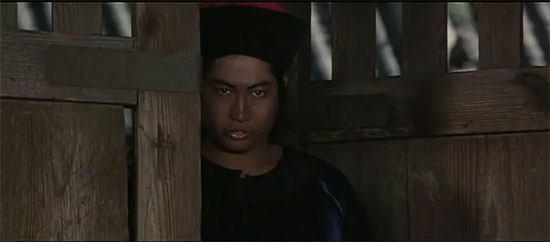
The second before
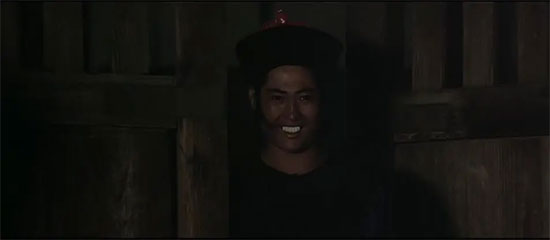
the next second
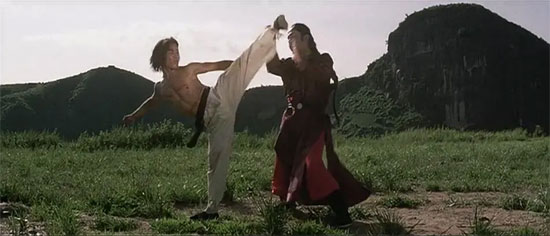
The film’s only weakness may lie in its somewhat rough handling of details and less-than-refined character designs. Action sequences also lack aesthetic refinement—Tan Daoliang’s leg techniques are masterful, yet camera angles often capture him thrusting his hips awkwardly, detracting from the visuals.
Yet these flaws don’t overshadow the film’s brilliance. Director Wu (or perhaps Hong) crafts numerous ingenious details that leave audiences in awe. For instance, when Tan Daoliang is hung upside down, he uses his mouth to untie the ropes while Jackie Chan cushions his fall below—a brilliantly executed escape sequence. This masterfully leverages the actors’ strengths without putting them in awkward positions. Comfortable performances make for thrilling viewing—a testament to the director’s craft. After the rogue obtains the sword, its reflection reveals the image of the main antagonist, which then morphs into the likeness of his beloved woman—a perfectly executed special effect.
The interwoven sequences of Jackie forging the sword and Tan Daoliang mastering the tiger claw technique showcase Director Wu’s signature use of montage.
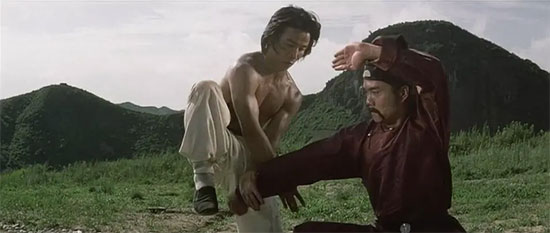
The final battle was meticulously shot, showcasing Uncle Tam’s full range of leg techniques and body movements, set against impressive scenery. Uncle Tam and Director Wu share a similar demeanor—both deliberate in speech and steadfast in action. However, Director Wu is too thin, while Uncle Tam, being a martial artist, carries just the right amount of muscle.
Please specify:Anime Phone Cases » Countdown in Kung Fu 1976 Film Review: Forty years later, it’s still worth seeing.