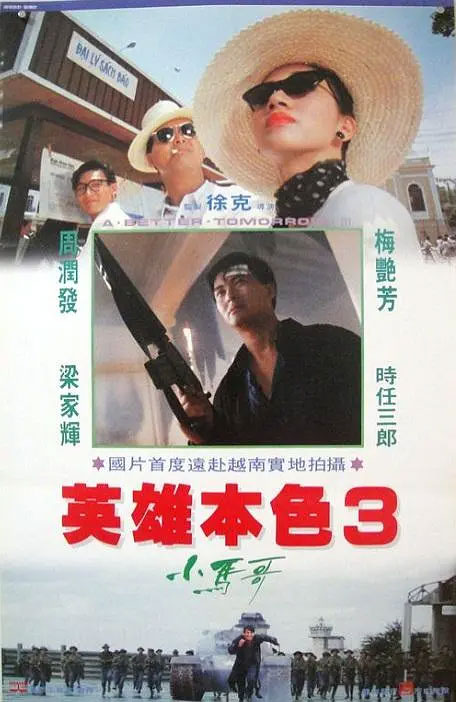
Film Name: 英雄本色3:夕阳之歌 / A Better Tomorrow III / A Better Tomorrow 3: Love and Death in Saigon / 英雄本色III夕陽之歌
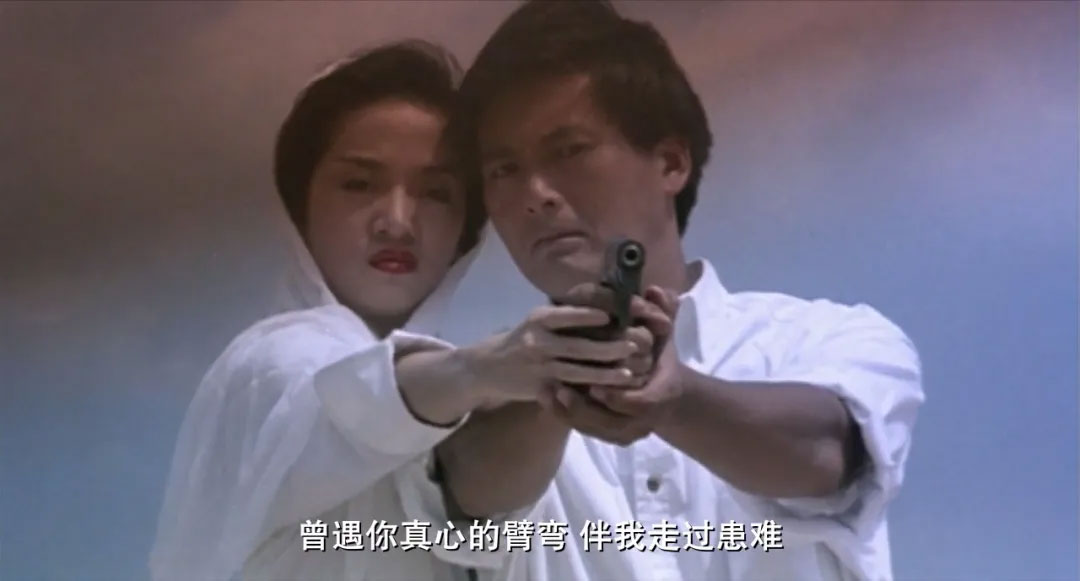
This moment is destined to become a memory.
On days like this, I should revisit “A Better Tomorrow III” (Love and Death in Saigon). It’s been thirty years since I skipped class to watch that VHS tape. Filmed on location in Vietnam, the story spans a brief period—the waning days of the Vietnam War. Yet it weaves together the Cultural Revolution in mainland China, the war’s ravages in Vietnam, Hong Kong’s superficial calm, the Watergate scandal in the U.S., Japan’s ties with Indochina, and Burma’s civil war to create a sweeping historical backdrop. No other Hong Kong film offers such an expansive historical canvas.
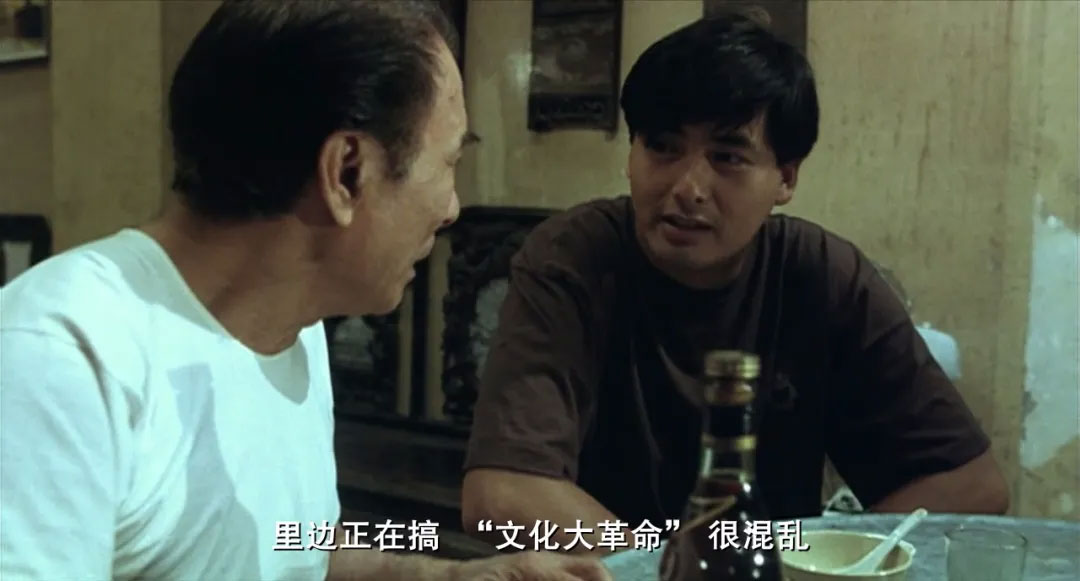
Revealing Young Master Ma’s origins
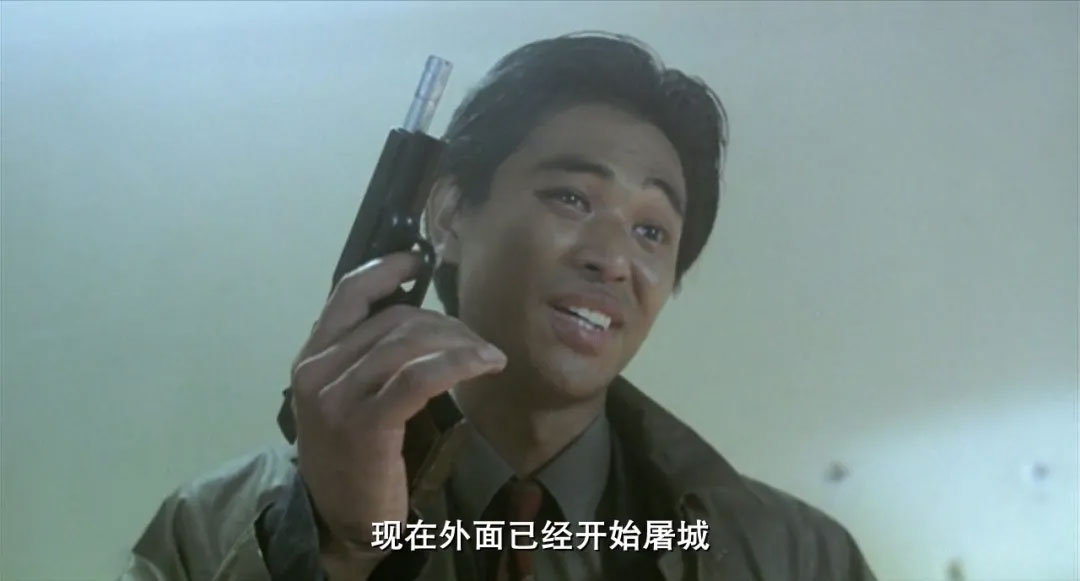
Watching “A Better Tomorrow III” in my youth, I was captivated not only by Chow Yun-fat and Anita Mui’s story of chance encounters and life-and-death bonds, but also terrified by the film’s apocalyptic atmosphere. The line that stuck with me most was He Changqing declaring, “The slaughter has begun outside.” Xiao Ma retorted with a “Let me tell you something even scarier” tone: “Ha! I know the last flight out of Vietnam has already left.” Then these two reckless souls drew their guns and exchanged fire. Their hearts were as big as mountains, but my teenage self was terrified: Vietnam was terrifying!
This was far scarier than zombies. It wasn’t just the turbulent global situation, but the utter collapse of humanity. The Vietnamese customs officers extorting Hong Kong tourists, the treacherous Sang Bang who turned on a dime, the Vietnamese girl Chow Yun-fat chatted up on the street who then tossed a bomb at the military jeep—even Chow Ying-kit and Ho Cheung-ching, who’d risked their lives together, ended up at odds to the point of trying to kill each other.
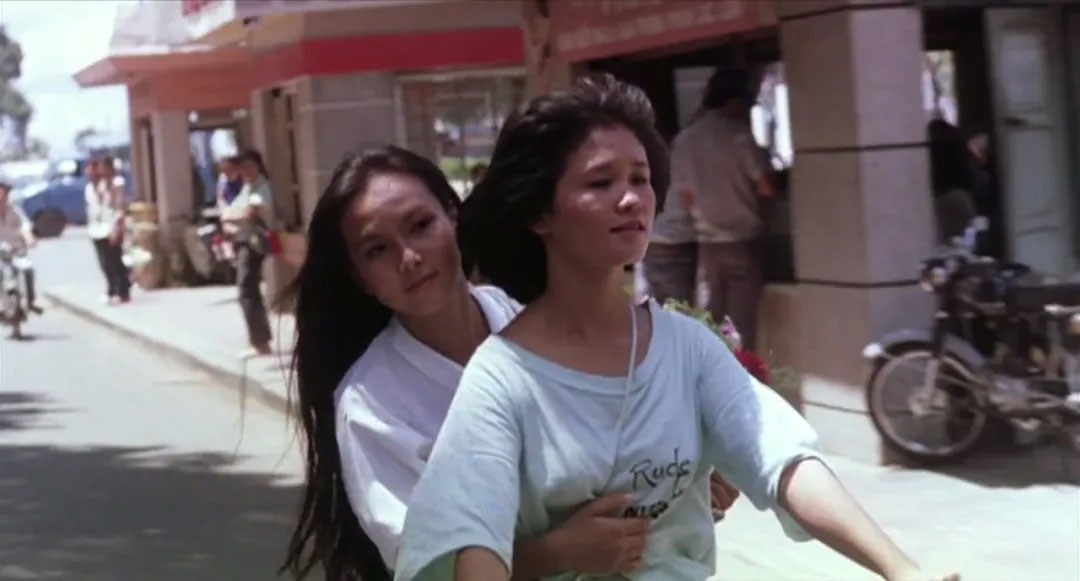
Two cute girls would become human bombs in a minute
Hong Kongers just kept fleeing. Tsui Hark, a Vietnamese-born Chinese, escaped from Vietnam to Hong Kong. In his films, Hong Kongers also flee Vietnam for Hong Kong, once planning to escape to Taiwan. In reality, Tsui chose to head north, enduring the ravages of censorship (perhaps another form of extortion), squandering his dwindling life force on one mediocre film after another.
Tsui Hark’s films often feature comedic interludes, but “A Better Tomorrow III” contains none. This solemnity likely arises naturally when confronting a homeland forever lost.
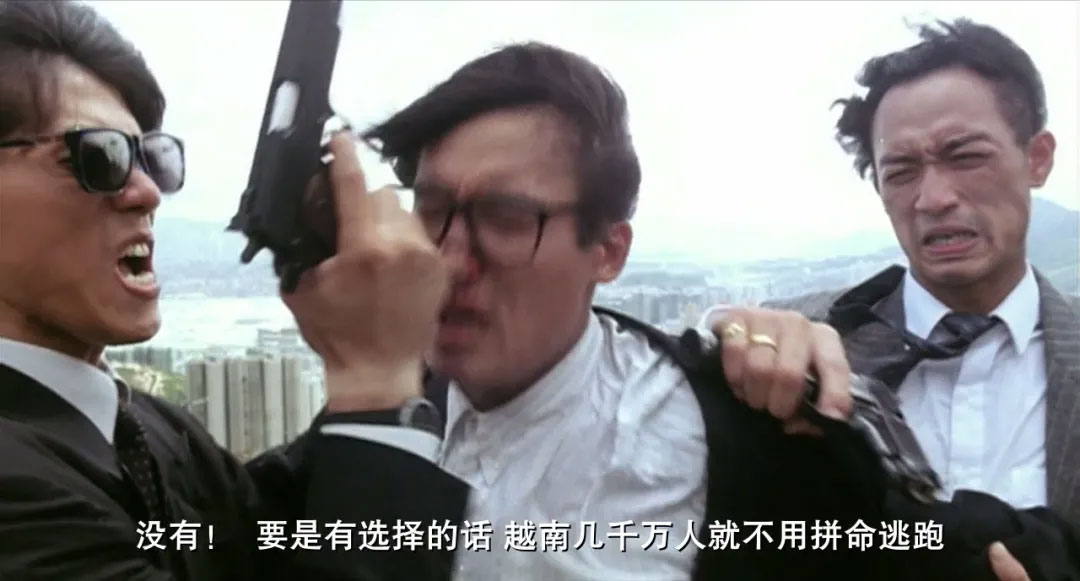
What moved that teenager thirty years ago in “A Better Tomorrow III” was both the degradation and the radiance of humanity. Anita Mui and Chow Yun-fat, strangers meeting by chance, extended a helping hand; Chuk Pak, an orphan picked up by Uncle Song, shared an unexpectedly genuine bond with him; The conflict between Chow Yun-fat and Tony Leung over their feelings for Anita Mui; even the villains leave a lasting impression. Though the film doesn’t elaborate much on He Changqing’s character, a few small details highlight his ruthlessness. Yet his love for Anita Mui is genuine—on his deathbed, he implores Chow Yun-fat, “Don’t let Ah Kit go with me”; Even Ho Cheung-ching’s butler, shot by his master after accidentally injuring Anita Mui, struggles to retrieve the gun in his final moments, aiming to kill Sang Bang who appears behind his boss…
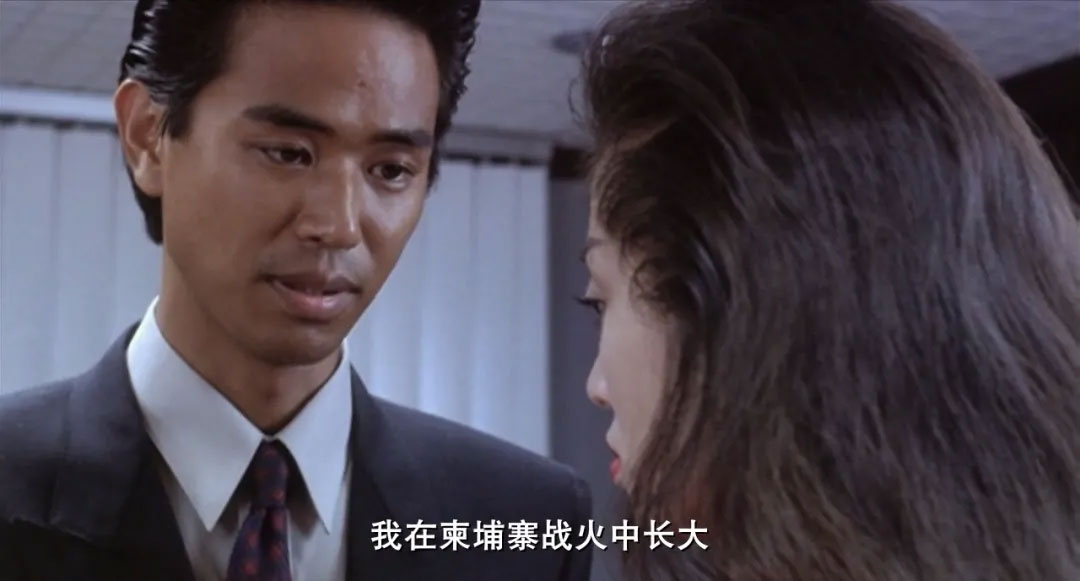
He Changqing, a Japanese-Hong Kong national raised in Cambodia, serves as a metaphor in this film.
Anita Mui also shaped the most iconic screen persona in my mind: a woman who shoulders everything alone, shielding men from knives, braving bullets and bullets for them, yet utterly resolute when it’s time to turn her back. She ultimately dies in her lover’s arms. The song “Song of the West” serves as both a reflection of Anita Mui’s fate in the film and a real-life elegy.

In the first two installments of “A Better Tomorrow,” Brother Sam killed with reckless abandon and boundless bravado. In the third film, he continues to kill, yet the more he kills, the more powerless he feels. In times of chaos, even the most formidable individual is but an ant. The individual’s yearning for life starkly contrasts with the utter lack of choice in such chaos. If the first two films depicted “killing one in ten steps,” the third shows “drawing the sword and looking around in utter bewilderment.”
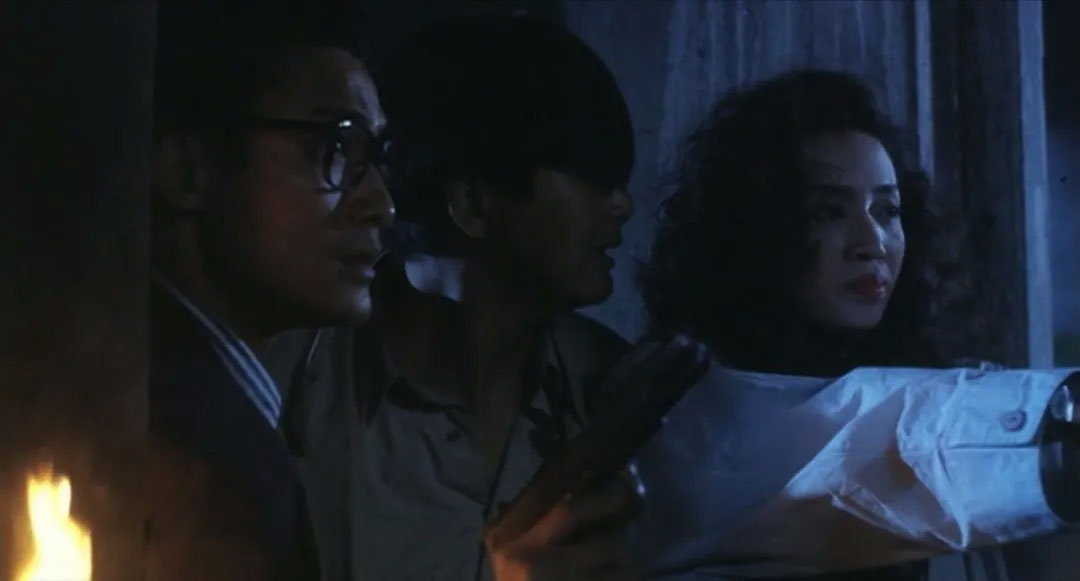
I often pondered the difference between John Woo and Tsui Hark. Watching this film made it clear: the gap lies in their vision.

Back in the video arcades, watching “A Better Tomorrow III” set against the Vietnam War backdrop, I felt thirty years ago that such a life was too distant from my own. Yet I must admit, in my youth, there was a faint yearning for a life amidst gunfire and bullets. Never did I imagine that this familiar yet utterly brutal scene would replay itself in another corner of Asia. Watching Afghan refugees clinging to the landing gear of a U.S. military transport plane as it descended from the sky, I realized this was hell on earth. No sane person could possibly yearn for such a life.
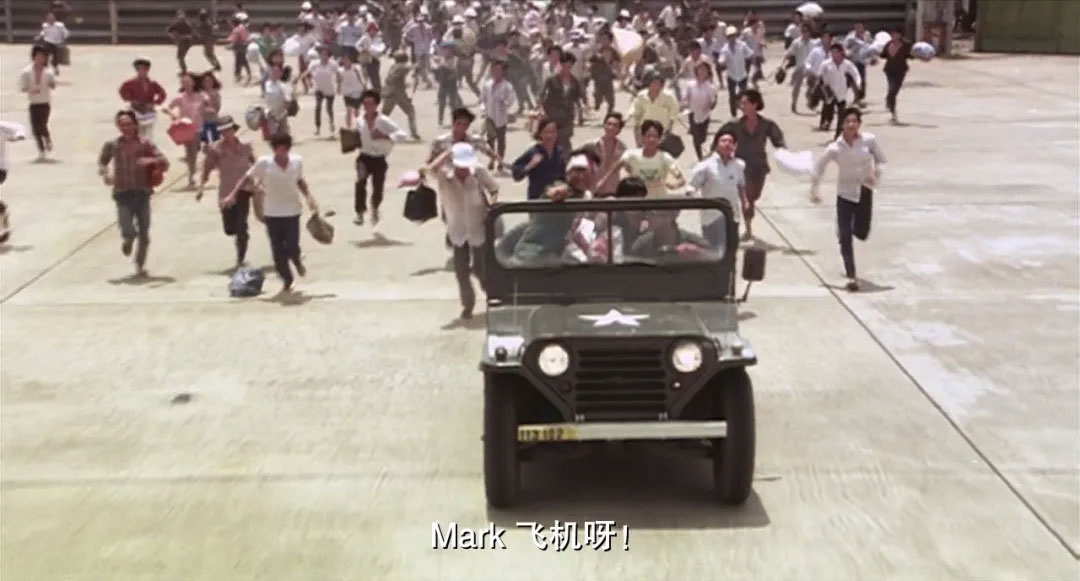
Vietnam then, Afghanistan now.
The images of the U.S. fleeing Kabul evoked for some the same sense of betrayal as when John Leighton Stuart left. Some bid farewell; others fled. A life spent fleeing is tragic, yet it remains marginally better than that of those left behind. Hu Shih fled, but Lao She returned; Tsung-Dao Lee escaped, but Ning-Kuen Wu stayed. Flight is a last resort, but not the absolute worst option. To those fleeing, the waving arms receding beyond the cabin window may not seem like farewells to them, but rather farewells to their own hopes. Even the Taiping steamer, the mass exodus to Hong Kong, and the Vietnam of that era were not the saddest tragedies. The saddest tragedy is having nowhere to flee. The saddest tragedy is believing you are bidding farewell to tragedy, unaware that you yourself have become the greatest tragedy.
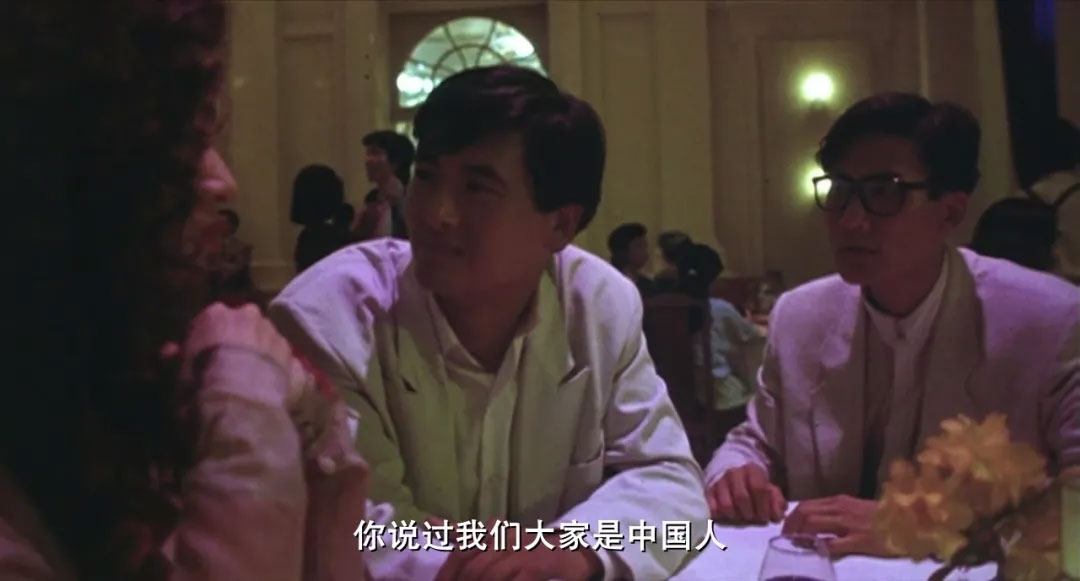
Does this line still appear on Hong Kong screens today?
Please specify:Anime Phone Cases » A Better Tomorrow III 1989 Film Review: Old Films, New Perspectives: Drawing Sword and Looking Around, Heart Feels Lost