Film Name: 监狱风云2 / Prison on Fire II / 監獄風雲II逃犯
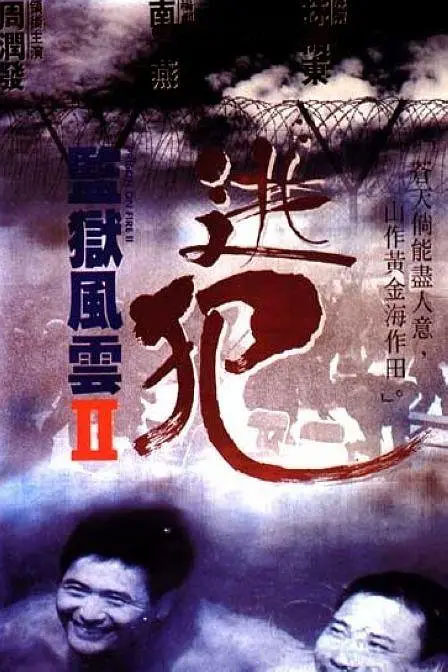
Tonight I happened to catch the sequel to Prison on Fire starring Chow Yun-fat. Unlike the first film, which focused on the bonds of friendship and brotherhood, this installment delves deeper into the emotional ties between father and son, chronicling Chow Yun-fat’s journey of redemption. Watching Chow Yun-fat’s character Ah Zheng endure relentless humiliation under prison guards’ oppression just to secure correspondence with his son—even risking everything to break out of jail for a single glimpse of his child—his love for his son becomes palpable. Especially since the film opens by showing the grim fate of an escaped prisoner recaptured, making Chow’s devotion all the more poignant. Ah Zheng’s love for his child stems from guilt. His wife was forced into prostitution after he lost his job. Upon discovering this, Ah Zheng killed her in a fit of rage. From then on, father and son became strangers. Ah Zheng’s mother raised the child alone. Early in the film, we learn of her death from illness, deepening Ah Zheng’s longing for his son and driving his desperate escape. The scene where Ah Zheng mourns his mother in prison, weeping alone at night, is truly heart-wrenching. It rivals Will Smith’s tearful moment in The Pursuit of Happyness. Who says men don’t cry? They just haven’t reached the depth of sorrow yet. The brotherly bond between Ah Zheng and Brother Long permeates the film’s latter half. Their relationship evolves from adversaries to allies. Witnessing Brother Long’s wrongful conviction and facing his own persecution by guards—where his life hangs in the balance—Ah Zheng finally erupts in defiance. Their reunion outside prison walls marks a triumphant reunion. When Brother Long invites Ah Zheng to join him on the mainland, Ah Zheng replies that his son is the sole purpose of his life. Thus, he chooses not to follow. Long Ge told Ah Zheng that the saddest fate in life is to have no place to call home in life and no place to be buried in death. This was likely the shared sorrow of most who fled from mainland China to Hong Kong at that time. As he said, the sky is the coffin lid, the earth is the coffin board; all joy and sorrow are lived within that coffin. Ah Zheng retorted, “Why not go in smiling?” This was probably Ah Zheng’s enduring mindset. In the end, Ah Zheng couldn’t resist visiting his son, who had long since forgiven him. Ultimately, Ah Zheng was captured, and the film reached its climax. Using his wits, he sparked chaos and escaped certain death. His pent-up rage finally erupted, finding its outlet in the skull of the man who betrayed Brother Long. The ultimate big boss emerges at this moment. The final outcome sees everyone perishing together: Ah Zheng receives an extended prison sentence, the prison guards get their just deserts, and the enforcers meet their deserved end. Yet the film doesn’t glorify evil. The righteous prison guard finds a positive outcome. The new warden and Ah Zheng are acquaintances. Brother Long returns to turn himself in for Ah Zheng’s sake, proving that brotherly loyalty can be deeply moving. Neither has lost hope in life, and they ultimately agree to meet outside. The film subverts expectations: the prisoner representing the villains often appears more virtuous, while the prison guards embodying the good guys frequently resemble villains. This likely suggests that morality cannot be judged solely by profession. In the final moments, a major villain from the previous installment is transferred in, hinting that Ah Zheng’s future won’t be so straightforward.
Please specify:Anime Phone Cases » Prison on Fire II 1991 Film Review: The eternal theme of humanity—emotion