Film Name: 龙虎风云 / City on Fire / 龍虎風雲
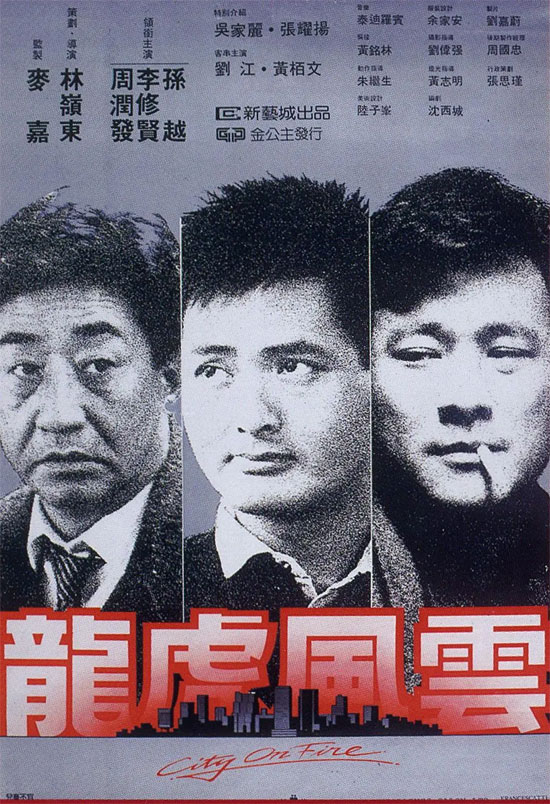
In 1986, Chow Yun-fat shattered the “box office poison” label with his outstanding performance in A Better Tomorrow, ushering in the second peak of his acting career. He went on to win his first Hong Kong Film Award for Best Actor in 1987.
After receiving the script from Shen Xicheng, Ringo Lam began preparations for City on Fire, launching the iconic trilogy that would become the “Wind and Cloud” series.
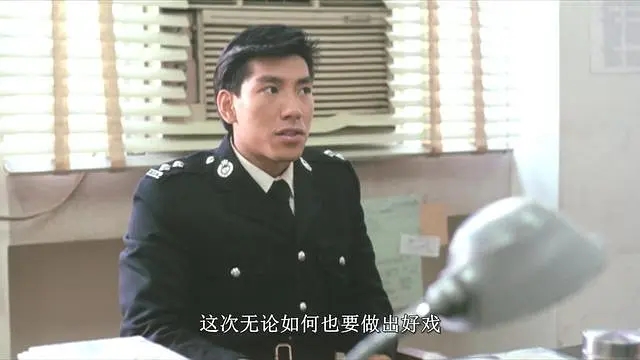
With substantial funds already allocated to casting Chow Yun-fat and Lee Siu-yin, Ringo Lam began extensively utilizing newcomers. Among them was the then-male model Anthony Cheung. His portrayal of the villainous Inspector John in “City on Fire” made a striking impression. Subsequent roles—the assassin Xiong in “Prison on Fire” and the suave Brother Xiao in “School on Fire”—further cemented his reputation for compellingly playing antagonists. Years later, in the Young and Dangerous series, he elevated his villainous portrayal to yet another pinnacle.
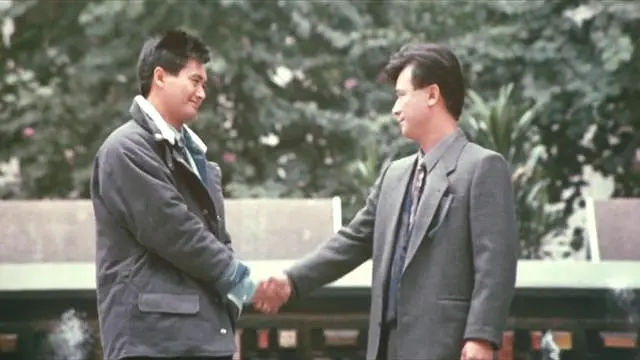
Upon release, the film ranked 12th at the Hong Kong box office that year and helped Chow Yun-fat secure his second Hong Kong Film Award for Best Actor the following year.
City on Fire tells the story of a police undercover agent. Years later, the cinematographer of this film would create Hong Kong cinema’s most iconic undercover thriller, Infernal Affairs. That cinematographer’s name was Andrew Lau.
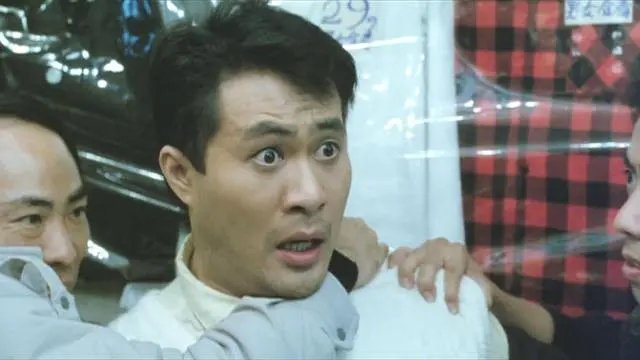
The story begins with a murder.
Xu Jinjiang plays Lan Minghua, a street thug who is brutally hacked to death by gangsters in the bustling city center.
But in reality, Lan Minghua was an undercover cop infiltrating the triads.
Determined to avenge him, his handler, Police Officer Lau Tingkwong, seeks out fellow undercover agent Gao Qiu (played by Chow Yun-fat).
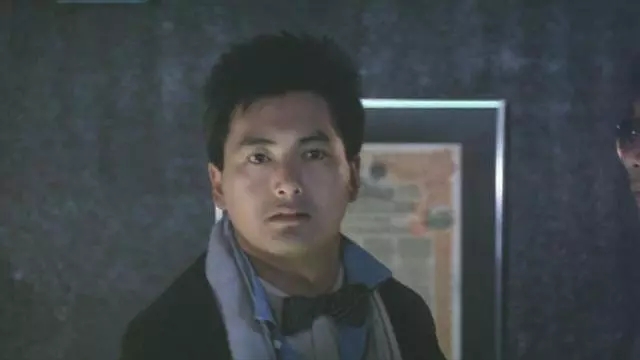
Undercover work is inherently brutal, easily turning agents into enemies on both sides. It demands immense psychological fortitude, with agony becoming their daily reality.
While enduring mental torment, Gao Qiu must maintain his dual identities as both a gangster and a cop, yet he has no one to confide in about his inner anguish.
Brother Cheng bonded with him through loyalty, treating him like a brother. Yet in the end, Gao Qiu arrested Brother Cheng, fulfilling his duty as an undercover agent.
This became his inner torment—an incurable pain.
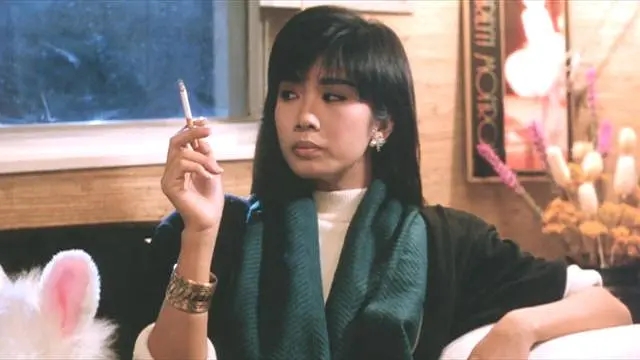
Gao Qiu wanted to live a normal life and submitted his resignation to Liu Dingguang, but it was never approved.
Unable to provide his girlfriend Ah Hong (Wu Jiali) with stability, and even unable to reveal his true identity, he kept postponing their marriage.
He constantly joked around with Ah Hong to conceal his other identity, yet he genuinely loved her.
Seeing no hope, Ah Hong accepted the wealthy Mr. Cao’s advances. Yet when Gao Qiu proposed, she began wedding preparations—for she too deeply loved him.
Gao Qiu’s subsequent undercover missions constantly caused him to miss their wedding plans.
At the marriage registry office, Ah Hong sat alone, smoking and watching the clock tick by with tears in her eyes, yet she never saw his figure appear.
Overcome with despair, Ah Hong resolved to follow Mr. Cao to Canada.
But how could one truly love someone and simply walk away?
Spotting Gao Qiu’s furious figure at the airport, Ah Hong abandoned her plans to depart with Mr. Cao. Instead, she remained in the United States, leaving a letter for Gao Qiu, waiting for him to come for her.
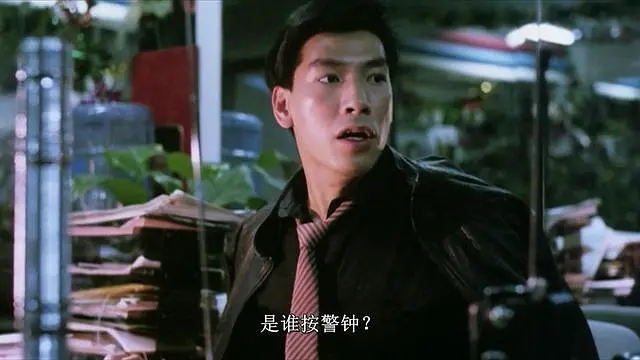
Resignation to life’s hardships is a universal state. As an undercover officer, Liu Dingguang also faced his share of troubles.
Witnessing his fellow undercover agent brutally murdered, his rage was palpable. Meanwhile, his superiors favored the newly transferred Officer John (played by Zhang Yaoyang).
How could an officer promoted through exams compare to someone like him, who had worked his way up from the bottom? Especially when the newcomer was known for his ruthlessness.
This leaves Liu Dingguang feeling utterly defeated. Gao Qiu, who had previously refused the assignment, witnesses this scene and resolves to go undercover on this case. Not only to bring her undercover career to a perfect conclusion, but also to free her deeply respected superior from this situation.
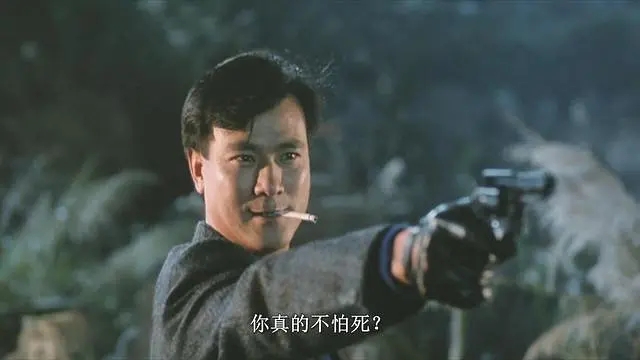
Brother Hu (Lee Siu-yin) is the second-in-command of the robbery gang. He’s efficient in his work and values loyalty and honor.
From his grandfather to his father, and now himself, they were all thieves.
Though he hoped his son wouldn’t follow the same path, he had long since lost hope for his own life.
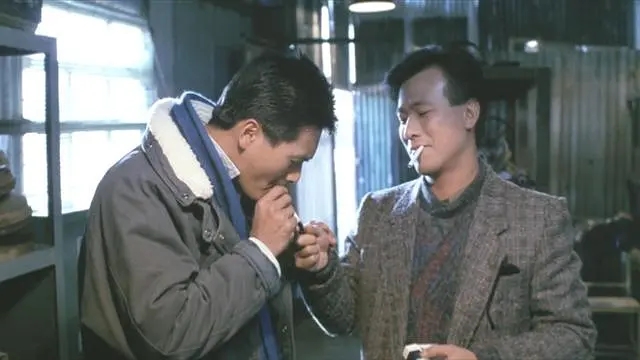
Gao Qiu infiltrated Tiger Brother’s robbery gang by selling guns, and his boldness and competence earned Tiger Brother’s admiration.
Tiger recommended him to the boss, who accepted him into the gang.
The two became inseparable, quickly bonding as close friends.
On Christmas Eve, their heartfelt conversation by the window revealed a mutual admiration.
Gao Qiu began having nightmares—just like Cheng Ge, Tiger would meet a tragic end because of him.
Life’s cruelty lies in the fact that often, you don’t even get a chance to choose.
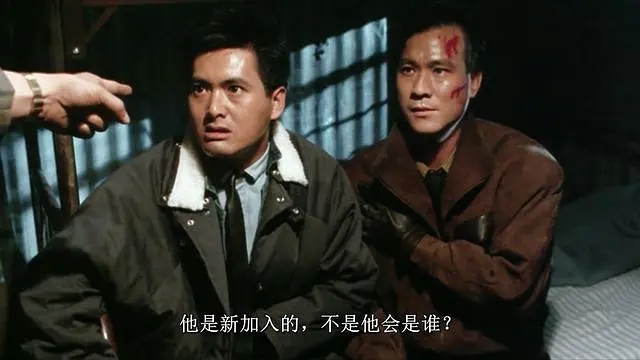
Gao Qiu’s betrayal caused the robbery to fail, but during the shootout, he saved Brother Hu’s life.
When the gang leader suspected Gao Qiu was an undercover cop, Brother Hu defied the boss to protect him.
Soon after, police led by John arrived. After a hail of gunfire, only Brother Hu remained alive.
As he lay dying, Gao Qiu revealed his true identity, achieving a form of redemption.
The debt of brotherhood was repaid, but Ah Hong, waiting far away, would never see him again.
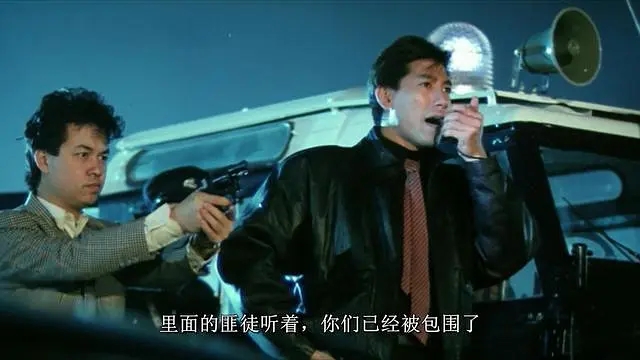
Tiger Brother was arrested, while John sought credit and rewards from his superiors.
Seeing Gao Qiu’s body, Liu Dingguang was consumed by rage.
Gao Qiu had originally agreed to sell guns to the robbery gang only to gather evidence before leaving. But John, eager for promotion, forced Gao Qiu to go deep undercover, participating in the robbery to secure harsher sentences for the criminals.
Liu Dingguang smashed John’s head with a brick, leaving him bloodied and beaten—a final punishment for his utilitarianism.
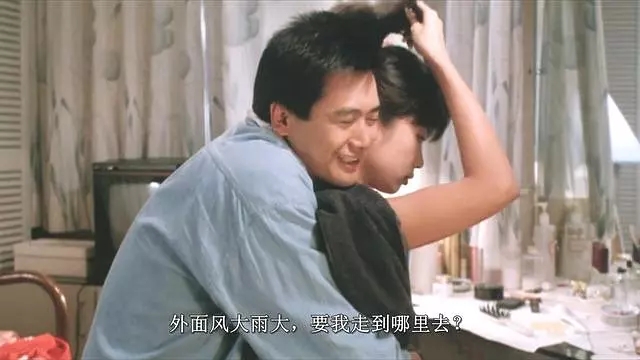
The film’s plot is straightforward, yet its richly developed characters effortlessly draw viewers into the emotional narrative.
Certain scenes—like the blind saxophonist during the shootout or the singer present when Gao Qiu resolved to go undercover—though tangential to the main story, subtly heighten the plot’s tension. The saxophone motifs in the soundtrack further imbue the film with a sense of desolation and sorrow.
Gao Qiu strives desperately for a normal life, only to meet a tragic end. Liu Dingguang toils for years in the police force, yet his superiors value a rookie recruit more than his years of service.
Such is life: you fight with hope and all your might, only to end up with nothing but a mess.
Gao Qiu’s life held no joy, yet he forced a smile for his girlfriend every day.
Everyone mocks Ah Q’s “spiritual victory,” but rather than endure a painful existence, some choose to numb themselves for fleeting happiness.
Not everyone is destined for a bright future—some joys must be crafted by one’s own hand!
Please specify:Anime Phone Cases » City on Fire 1987 Film Review: The seminal work of classic villain actor Tony Cheung, which cemented Chow Yun-fat’s status as a Best Actor.